
Who is Dan Perjovschi?


Dan Perjovschi is a pioneering Romanian artist known for his thought-provoking and visually striking drawings that blend humor with incisive social critique. Perjovschi’s art operates at the intersection of visual art and political commentary, resembling the format of editorial cartoons. His works are often created in front of audiences. This live element not only demystifies the artistic process but also invites the audience to reflect on the content and context of his work in a communal setting. Through this performative approach, Perjovschi’s art transcends the static nature of traditional exhibitions, becoming a living, evolving commentary on contemporary issues.
His unique approach to art has led him to perform and exhibit in some of the world’s most prestigious museums. His work has been showcased at MoMA in New York, Centre Pompidou in Paris, Moderna Museet in Stockholm, Ludwig Museum in Budapest, Tate in London, and Walker Art Centre in Minneapolis, among others.
Dan Perjovschi’s artistic journey took a pivotal turn after the Romanian Revolution of 1989. Initially trained in classical painting at the University of Art and Design in Oradea, Perjovschi gradually moved away from traditional painting as he sought to engage more directly with the rapidly changing political and social landscape of post-communist Romania. The newfound freedom of expression and the urgency of the times inspired him to adopt drawing as his primary medium.
His drawings, often infused with humor and irony, became a powerful tool for social critique, addressing themes such as democracy, globalization, and human rights. Through this evolution, Perjovschi not only transformed his artistic practice but also emerged as a significant voice in contemporary art, using his work to provoke thought and inspire dialogue in the post-revolutionary era.
A defining moment for Dan Perjovschi came in 1999 when he was selected to represent Romania at the Venice Biennale. Lacking a budget for production or transportation, he drew directly on the floor. He covered the floor of the Romanian Pavilion with drawings and political graffiti about life in the post-Communist era. As people walked, each step they took gradually erased the drawings, an allusion to the erosion of Eastern European identity after the collapse of communism.
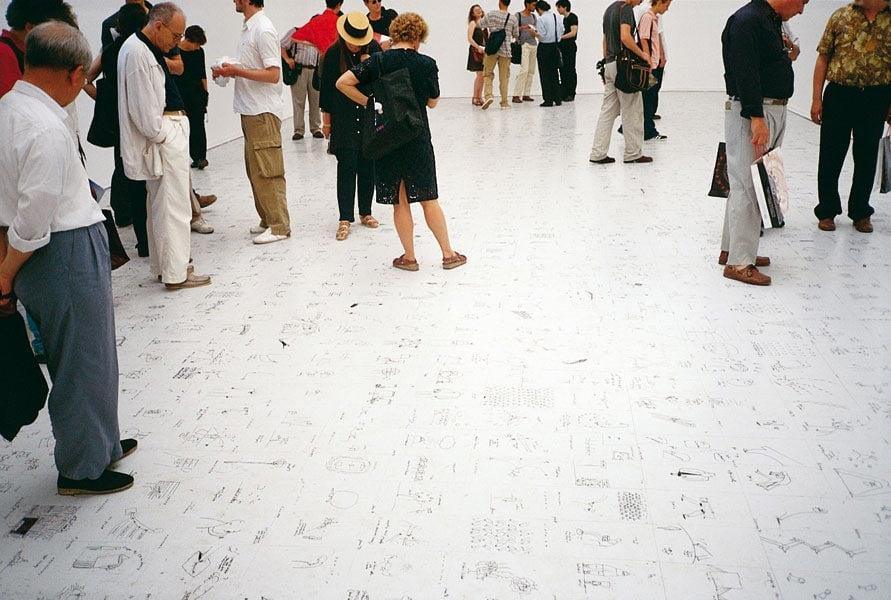
Exhibition view at the 48th Venice Biennial, Romanian Pavilion (1999)
The artist has a unique ritual before each exhibition: he buys local newspapers, the morning daily, and browses through them. This practice allows him to form informed opinions on current events and issues specific to the location. By immersing himself in the local media landscape, Perjovschi gains insights into the socio-political context that shapes his drawings. This daily engagement with the news fuels his creative process, enabling him to produce art that is immediately relevant and resonant with the audience. Through this method, Perjovschi ensures that his work is not only artistically compelling but also socially and politically significant, grounded in the realities of the time and place in which it is created.
Perjovschi’s work is inherently ephemeral. Created directly on the walls, floors, and windows of galleries and museums, his works are intended to be temporary, emphasizing the fleeting nature of the issues they depict. What remains after the exhibition are his sketchbooks, which serve as a lasting record of his artistic practice. While the large-scale, site-specific drawings may be erased or painted over at the end of an exhibition, the sketchbooks preserve the conceptual groundwork and the spontaneous spirit of his work, offering a tangible connection to his transient art.
Below are some of Perjovschi’s drawings:
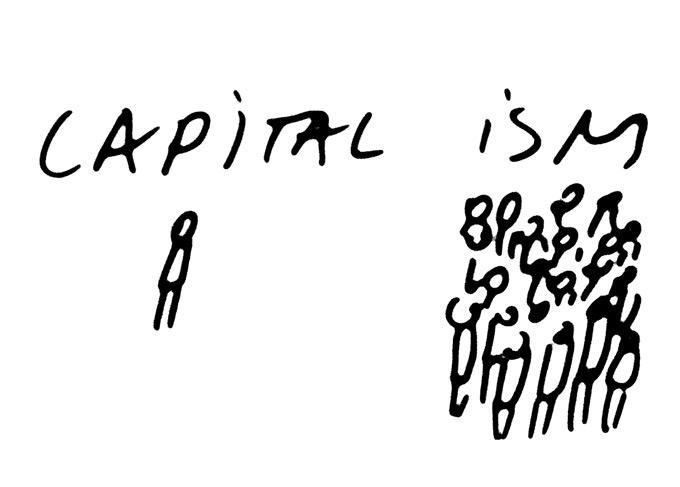
© Dan Perjovschi
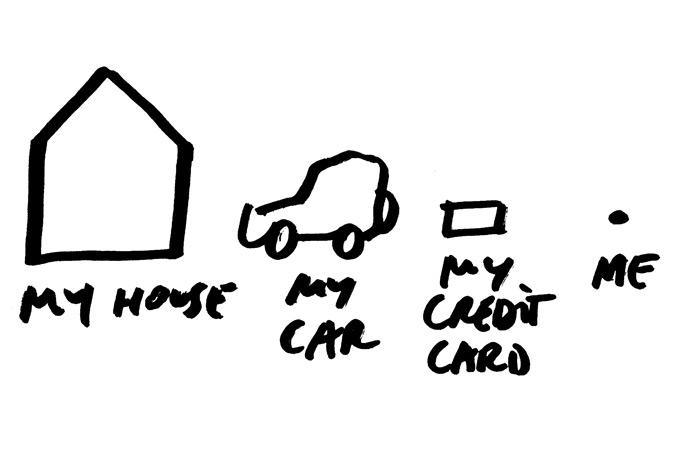
© Dan Perjovschi
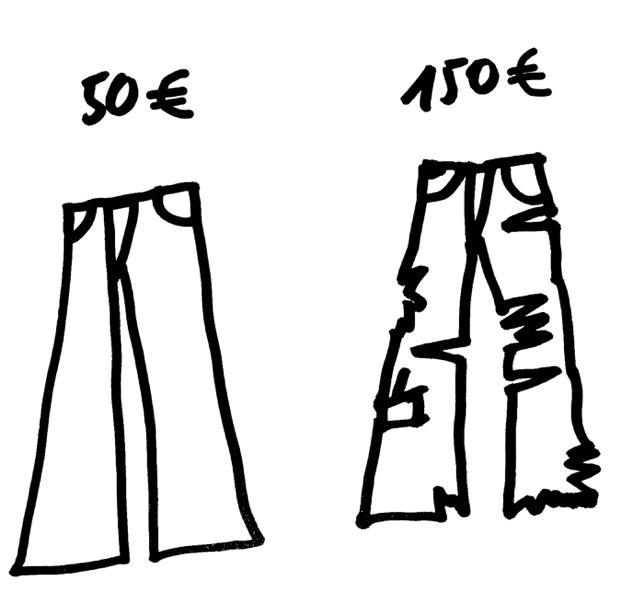
© Dan Perjovschi
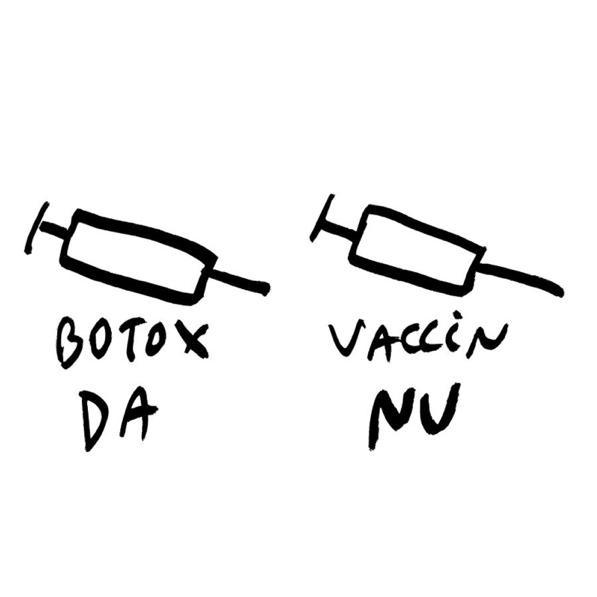
© Dan Perjovschi
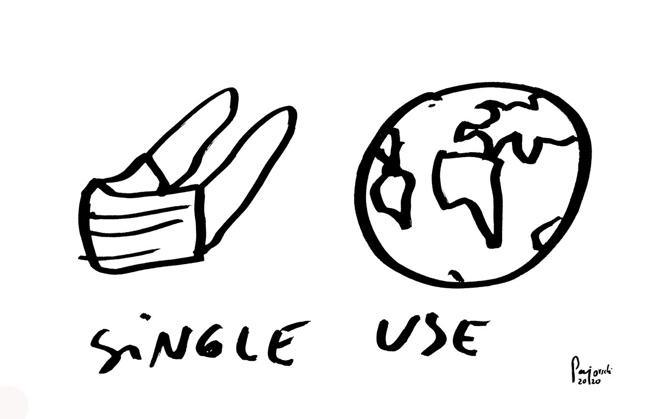
© Dan Perjovschi
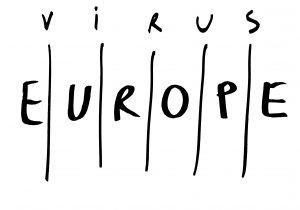
© Dan Perjovschi
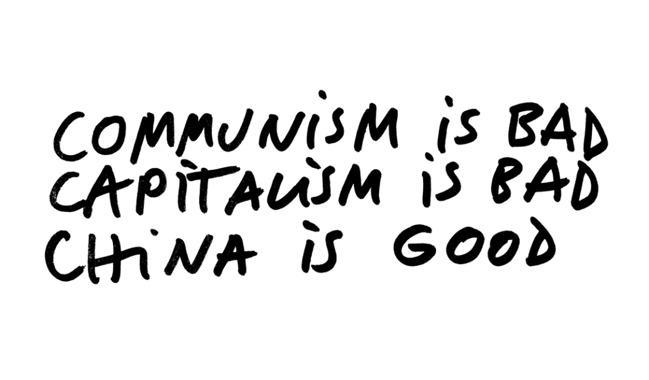
© Dan Perjovschi
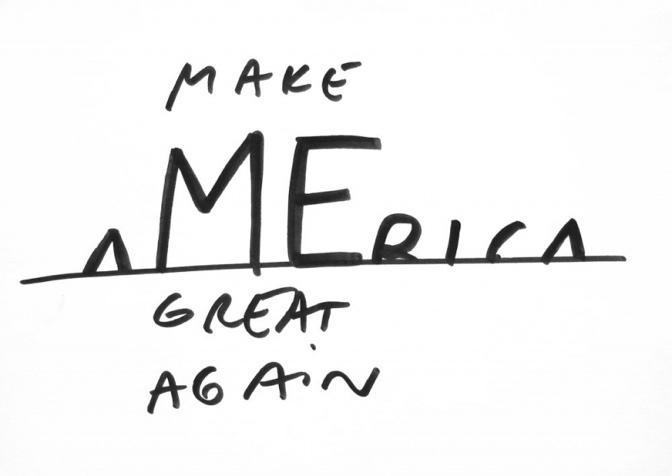
© Dan Perjovschi
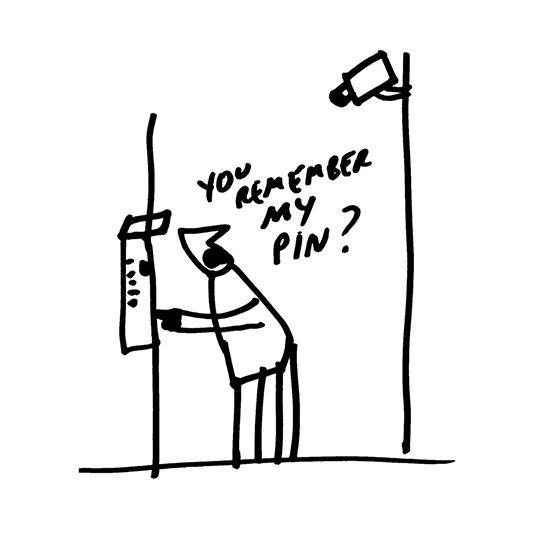
© Dan Perjovschi
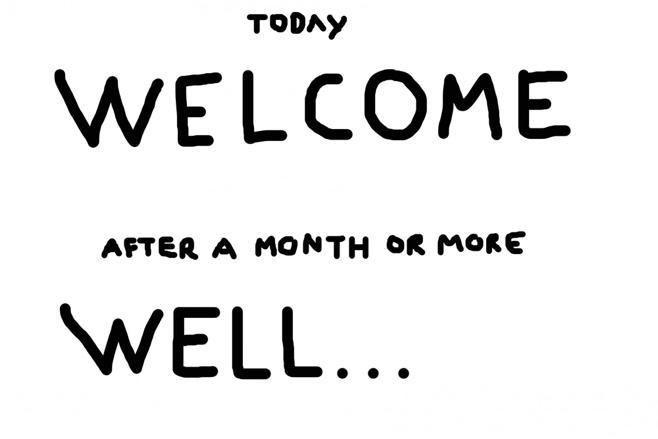
© Dan Perjovschi
In 2010, Dan Perjovschi began drawing on a wall in his hometown of Sibiu. This project evolved into what is now known as the “Horizontal Newspaper.” The artist updates the wall regularly, much like a living newspaper. The “Horizontal Newspaper” is a testament to Perjovschi’s commitment to making art accessible and interactive. By using a public wall, he brings his art directly into the community, encouraging passersby to reflect on and discuss the issues depicted.
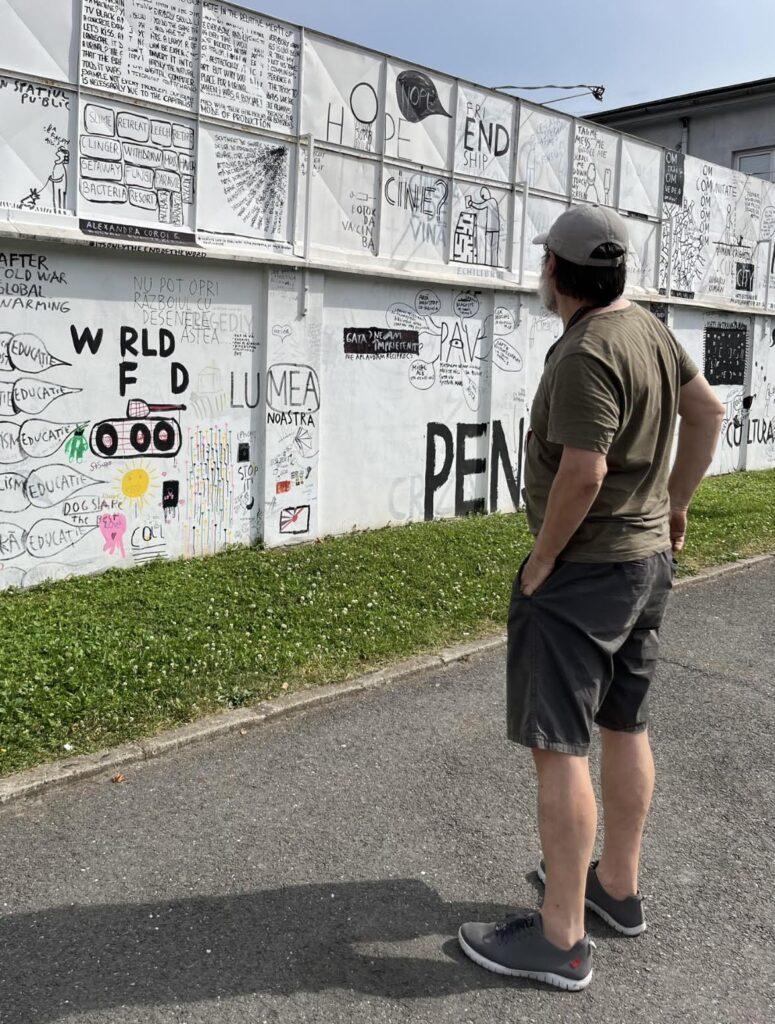
Dan Perjovschi in front of the “Horizontal Newspaper” during the 2024 Sibiu International Theatre Festival (FITS)
In 2019, Dan Perjovschi launched the “Freedom Tram” project in Iași, to commemorate the 30th anniversary of the fall of communism in Romania. By choosing a tram—a symbol of public movement and daily life—as his canvas, Perjovschi made his work accessible to a wide audience, emphasizing the importance of public discourse and reflection on Romania’s recent history.
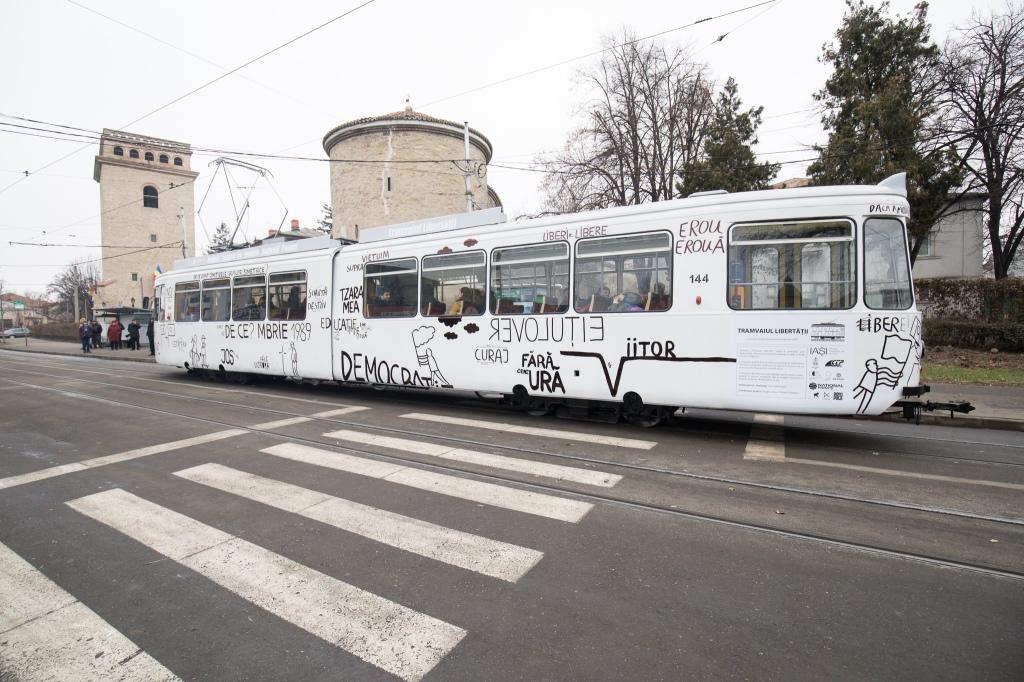
Perjovschi’s drawings on the “Freedom Tram” in Iași (2019) © Dan Perjovschi
Later, in 2023, Perjovschi introduced the “Freedom Tram” project in Timișoara. Like his earlier project in Iași, the latest “Freedom Tram” serves as a mobile art installation that brings art directly into the public sphere. The tram engages commuters and passersby in a dialogue about the importance of freedom, democracy, and the continuous effort required to maintain these values. Dan Perjovschi’s work continues to inspire and challenge audiences by transforming everyday spaces into platforms for critical engagement. His projects demonstrate the power of art to tackle social and political issues head-on. With each drawing, Perjovschi not only comments on the world but also invites us to see it through a sharper, more incisive lens. As he transforms the mundane into the extraordinary, Perjovschi proves that sometimes, a simple line can ignite profound change.


Responses