
Gen Z and their relationship with Wine

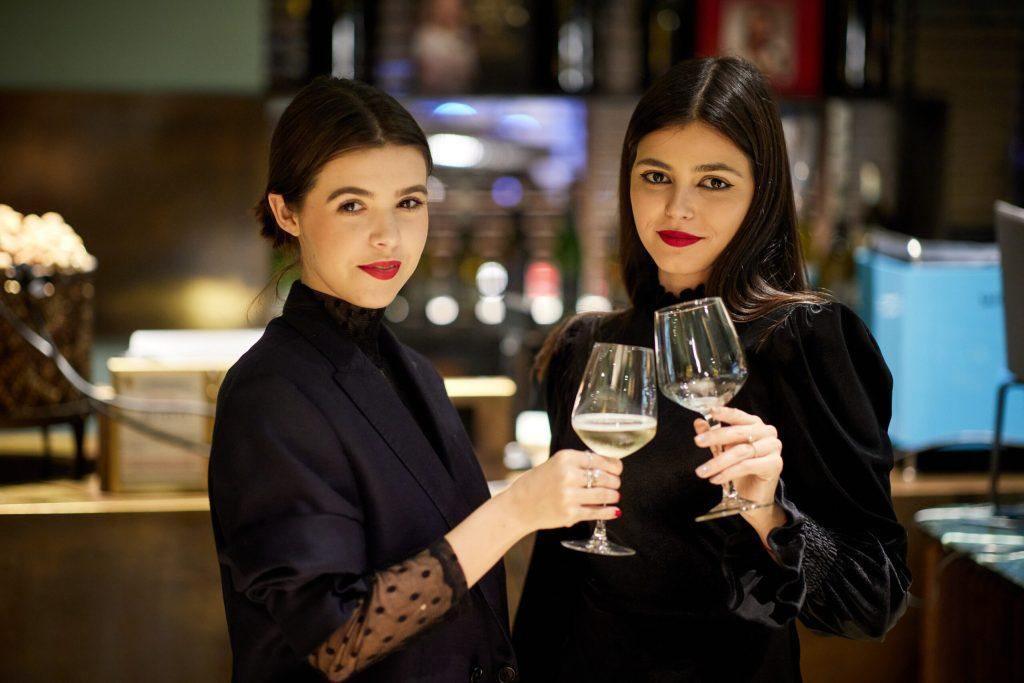
Who is Gen Z?
Born between 1997 and 2012, Gen Z is the first generation to have never known a world without the internet and smartphones, making them true digital natives. Whether entering university, starting their first job or buying their first home, the elder half of this generation is transitioning into adulthood and consequently, their purchasing power and disposable income are poised to increase.
Moderation is more of a priority among young consumers who decide to indulge. According to Mintel data published in June, 40% of drinkers aged 16-24 reported that they had limited their alcohol consumption in the last year.Common reasons given for cutting back include wanting to reduce “hang-xiety”, the negative effects of a hangover on mental health.
The researchers found that nearly half of adults between the ages of 21 and 24 drank alcohol daily or weekly, compared to those over 25 who reported drinking regularly.
Younger generations have a distinct opinion of wine. Millennials and GenZ consumers equate an elevated social status with wine. Innovation in wine palate and color and contemporary packaging stimulated wine sales growth toward a younger, more upbeat market and social media influencers.

Dessert and sparkling wines are on target to reach new sales projections. Wise wineries will tap into the potential of those two categories for a younger market client who enjoys those segments’ sweeter and fruitier nuances. Wine entries are a great way to introduce younger generations to the category. Wine producers who look to the future and invest in sustainable and organic permaculture farming will also leave a favorable impression on GenZ.
The relationship between Gen Z and wine
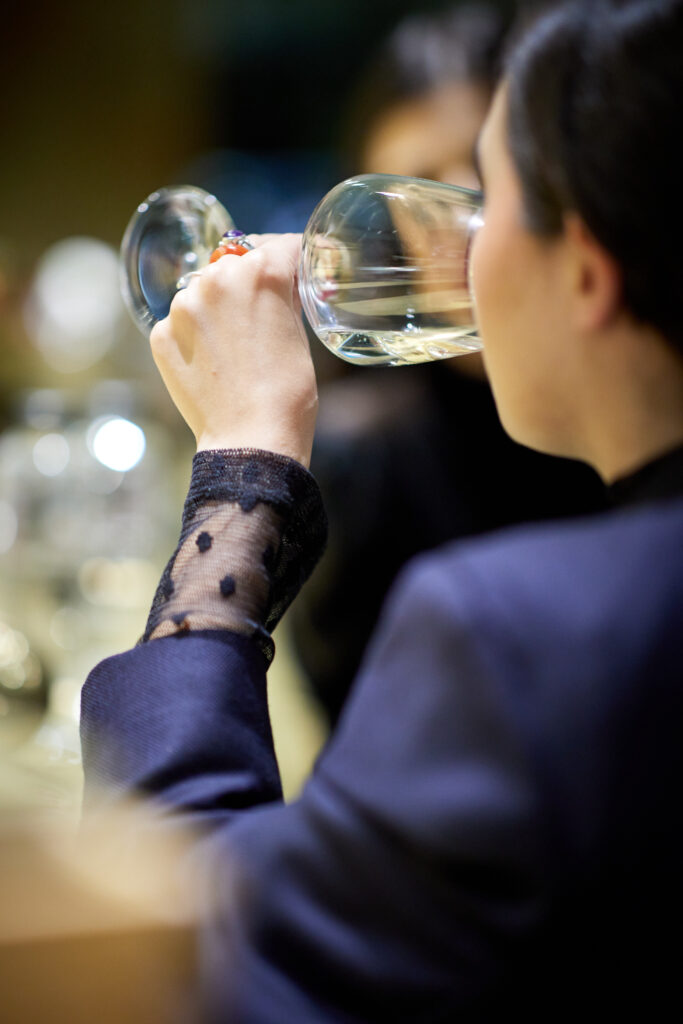
The wine industry is changing as younger generations show more interest in wine. For a wine brand, Gen Z marketing can be tricky due to their distinct preferences and values. Luckily, there are ways for wine brands to appeal to this generation.
I asked my friends what is the main reason why they choose to consume wine when they can choose any other drink. Their answer was simple: “Wine makes me feel much better than if I were to drink beer, for example. I like to choose the right wine for each occasion and to listen to the story behind each label every time”. The girls’ answer was the same: “Prosecco before going out”
More than that, I personally am part of Gen Z and am only an occasional wine drinker. Lately I have been involved in various projects based on wine tasting and managed to accumulate more information. Edition after edition, I was pleasantly surprised to notice that many participants are young, extremely curious about the world of wine and eager to participate in masterclasses to accumulate even more knowledge.
This consumers value authenticity and transparency in the brands they consume. They are interested in the story of the producers, the steps behind a bottle of wine, information from the winery that led to the final result. Brands can use social media platforms like Instagram to showcase the brand story through photos, videos, and behind-the-scenes glimpses.
Another extremely important aspect is sustainability, as they are extremely concerned about environmental protection. Young people are concerned about the environment and are attracted to green packaging, as well as the use of organic or biodynamic farming practices that reduce carbon footprint and waste.

Gen Z consume wine to celebrate special occasions, to create a ’vibe’ and to share with friends and family, and they view wine as an accessory to highly social, festive moments.
Fruit wines are becoming a popular dinner companion for plenty of reasons. Fruit wines thrive as consumers scour the market for healthier versions of food and beverages. Fruit-based wines answer that need. Fruit wines are also popular because the younger drinker cares about sustainability and shops locally for organic products that quench their craving for a unique and satisfying consumable.
Wine revamped itself over the last few decades and became a favorite pairing beverage to accompany exquisite charcuterie and celebratory moments.
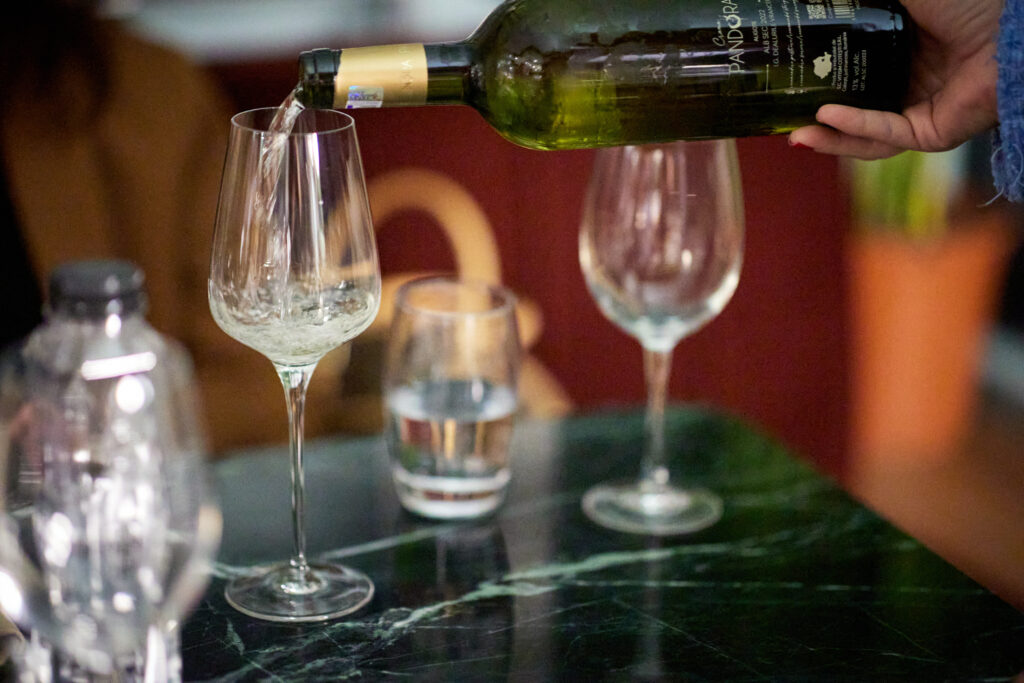
According to a report by Wine Intelligence COO Richard Halstead, Gen Z (18-24) and Millennials (25-39) have the following characteristics when it comes to wine consumption:
- They are the key targets in the on-premise and for premium and super premium wines.
- For both of these cohorts, wine carries social values, prompting curiosity, involvement and higher spend levels.
- Young people tend to be price sensitive though are willing to trade up for social occasions. They also show specific interest for sweeter styles of wines, rosé and sparkling.
In conclusion, Gen Z consumers report higher levels of preference for sparkling wine than other cohorts, prefers to drink in social situations, are much more interested in labels and package, make decisions based on varietal and alcohol level and are much more engaged on social media platforms – all pointed to new marketing tactics needed to reach this new consumer segment.
It’s not difficult to surmise that alcoholic beverage industries are scrambling to capture the attention of this public. Understanding that this generation has raised the bar is paramount.
Z- er Antonia Vaideanu
Communications and Public Relations Specialist




1984, ce de sacrificiu,