
The Style Revolution: Unveiling Gen Z’s impact on fashion trends


The Style Revolution: Unveiling Gen Z’s impact on fashion trends

In the ever-evolving landscape of fashion, Gen Z emerges as a driving force, reshaping industry norms and trends. This article delves into the unique characteristics that define Gen Z’s approach to fashion and explores the profound impact this generation is having on the way we perceive, consume, and create style.
As Gen Z continues to redefine the fashion narrative, they weave a story that’s not just about trends but about authenticity, sustainability, and embracing the beauty of diversity. It’s not just fashion; it’s a reflection of a generation unapologetically shaping its own story.
Digital expression

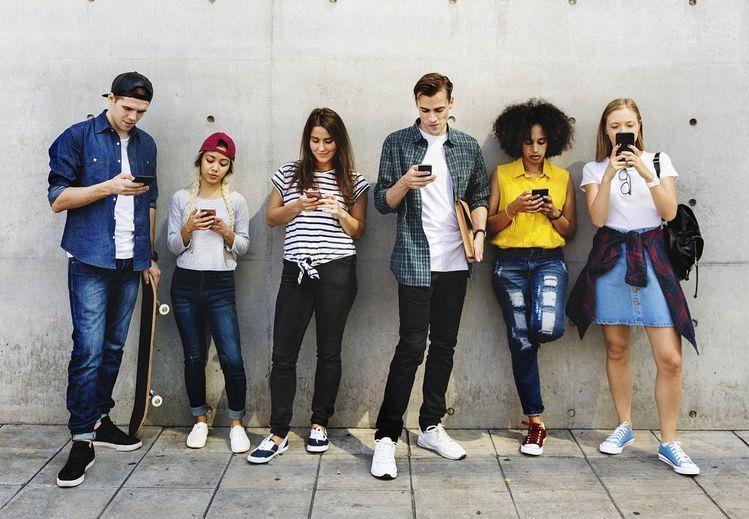
In the realm of fashion, Gen Z has seamlessly integrated technology into their daily lives, transforming the way trends are created and disseminated. This section delves into the phenomenon of digital expression, where social media platforms serve as the dynamic runway for Gen Z’s fashion narratives.
1. TikTok fashion challenges:
Gen Z has embraced TikTok as a creative space to showcase their fashion sense. Viral challenges on the platform propel new trends, from DIY styling videos to transformation challenges, influencing millions with just a click. These challenges not only showcase individual style but also create a sense of community around fashion experimentation.
2. Instagram style influencers:
Instagram has become the go-to platform for Gen Z to curate and share their distinctive styles. Influencers, often peers rather than traditional celebrities, wield significant influence over fashion choices. This part explores how these influencers impact trends, promote emerging brands, and contribute to the democratization of fashion, allowing anyone with a unique style to gain visibility.
3. E-Commerce:
The integration of e-commerce into social media platforms has revolutionized the way Gen Z shops for fashion. From Instagram Shops to in-app purchasing features, this section examines how the seamless transition from inspiration to purchase on these platforms is reshaping the traditional consumer journey.
4. Virtual fashion shows and augmented reality:
Gen Z is at the forefront of embracing virtual experiences. Explore how fashion brands are leveraging virtual fashion shows and augmented reality to engage with this tech-savvy generation. The section covers how these digital presentations are not just about showcasing clothing but creating immersive, interactive experiences that resonate with Gen Z’s desire for innovation.
In essence, the digital realm serves as an expansive canvas for Gen Z’s fashion expression, allowing them to redefine and democratize trends in real-time through the lens of social media.
Sustainability and ethical choices

Gen Z is making waves in the fashion industry by championing sustainability and ethical practices. This section unravels the profound impact of this generation’s heightened environmental awareness on fashion, highlighting their dedication to eco-friendly brands, thrifting, and a broader push for a more responsible and ethical industry.
1. Eco-Friendly brands:
Gen Z is actively seeking out and supporting brands that prioritize sustainability. Explore how these consumers are driving demand for eco-friendly materials, ethical production processes, and transparent supply chains. The section sheds light on the rise of sustainable fashion labels and the impact they’re having on shaping the industry’s future.
2. Thrifting as a lifestyle:
Thrifting has become more than just a budget-conscious choice; it’s a lifestyle for Gen Z. Discover how this generation’s love for vintage and second-hand fashion is not only a statement of individuality but also a powerful act of sustainability. The section explores the cultural shift where pre-loved garments are celebrated as unique pieces with stories to tell.
3. Conscious consumerism:
Gen Z is challenging the traditional fast-fashion model through conscious consumerism. This part delves into how this generation is mindful of their purchasing decisions, favoring quality over quantity and investing in timeless pieces. The focus is on building a wardrobe that aligns with personal values and stands the test of time.
4. Educational initiatives:
Gen Z is not only changing their shopping habits but actively seeking knowledge about the impact of fashion on the environment. Discover how educational initiatives, online resources, and social media campaigns are empowering this generation to make informed choices and advocate for systemic change within the fashion industry.
Gender fluidity

Breaking away from traditional gender norms, Gen Z embraces inclusivity and individualism. Explore how fashion trends are becoming increasingly fluid, providing a platform for diverse self-expression and dismantling stereotypes.
1. Inclusive fashion vampaigns:
Gen Z is driving a shift towards more inclusive representation in fashion marketing. Explore how brands are responding to this demand by featuring models and influencers who defy traditional gender norms. The section examines the impact of inclusive campaigns in challenging stereotypes and fostering a sense of belonging within the diverse Gen Z community.
2. Gender-Neutral clothing:
The rise of gender-neutral clothing is a hallmark of Gen Z’s commitment to individualism. Discover how fashion brands are designing and marketing clothing that transcends traditional gender categories, allowing individuals to express themselves authentically. This section explores the popularity of gender-neutral collections and their impact on challenging societal expectations.
3. Personalization:
Gen Z values the ability to customize and personalize their fashion choices. Whether it’s mixing and matching styles or altering clothing to fit personal preferences, this section explores how customization allows individuals to break free from traditional gendered fashion constraints, fostering a sense of autonomy and self-expression.
4. Collaborations and influencers:
Collaborations between fashion brands and influencers play a pivotal role in promoting gender fluidity. This part discusses how influencers, who themselves challenge traditional gender norms, collaborate with brands to create collections that resonate with a diverse audience, contributing to the normalization of fluid and inclusive fashion.
Thrift Culture

Thrifting isn’t just a budget-friendly choice for Gen Z; it’s a lifestyle. Discover how the rise of thrift culture is not only contributing to sustainable fashion practices but also sparking a resurgence in vintage styles.
1. Environmental impact of thrifting:
Uncover how the popularity of thrifting aligns with Gen Z’s commitment to sustainability. Thrift culture significantly reduces the demand for new clothing production, thus lowering the environmental footprint of the fashion industry. This section delves into the positive impact of thrifting on reducing textile waste and promoting a circular fashion economy.
2. Economic accessibility and social consciousness:
Thrifting is not just about affordability; it’s a conscious choice. Discover how Gen Z, known for its social consciousness, sees thrifting as a way to align fashion choices with ethical values. This section explores the economic accessibility of thrifting and how it aligns with the desire for sustainable and socially responsible consumerism.
3. Vintage aesthetics in mainstream fashion:
The resurgence of vintage styles has transcended thrifting culture and influenced mainstream fashion. Discover how designers and fashion brands are incorporating vintage aesthetics into their collections, responding to Gen Z’s appreciation for timeless pieces. This part explores how this influence is shaping contemporary fashion trends.
Conclusion
Gen Z’s impact on fashion is multifaceted, reflecting a blend of digital innovation, sustainability consciousness, and a commitment to individual expression. As this generation continues to redefine the fashion landscape, the industry must adapt to their values and preferences, making way for a more inclusive, sustainable, and dynamic future.




🍷