
Jeff Koons: Blurring the Boundaries of Art and Consumer Culture


Jeff Koons is one of the most celebrated and polarizing contemporary artists of our time, renowned for his ability to merge pop culture, luxury, and high art into visually striking and thought-provoking works. Born on January 21, 1955, in York, Pennsylvania, Koons studied at the Maryland Institute College of Art and the School of the Art Institute of Chicago before embarking on a career that reshaped the landscape of contemporary art.
Koons first gained widespread recognition in the 1980s as part of the Neo-Pop movement, drawing inspiration from consumer culture and everyday objects. His art challenges traditional notions of taste and value, reimagining kitsch items on a monumental scale. Themes of consumerism, beauty, and desire are central to his work, all executed with meticulous attention to craftsmanship and detail.
A master of spectacle, Koons developed a signature style of glossy, larger-than-life sculptures and provocative imagery, often sparking public and critical debate. By seamlessly blending high art and commercial aesthetics, he has redefined what art can be, creating a dialogue that reflects the complexities of modern life.From his iconic Balloon Dog sculptures to audacious collaborations with global fashion and luxury brands, Koons’s creations continue to captivate audiences and command record-breaking prices at auction. Though his work divides opinions, it undeniably serves as a mirror to the contradictions of contemporary culture.
Balloon Dog
Balloon Dog is one of Jeff Koons’s most iconic creations, part of his Celebration series. This series, comprising 16 monumental works, reflects significant milestones in Koons’s own life, using imagery like balloons, party decorations, and gifts to evoke themes of nostalgia, innocence, and festivity.
Standing over 10 feet (3 meters) tall and crafted from high-chromium stainless steel with a mirror-polished finish, Balloon Dog transforms the delicate, fleeting nature of a party balloon into a gleaming, enduring sculpture. The work comes in five unique color variations—Blue, Magenta, Orange, Red, and Yellow—produced between 1994 and 2000.
The orange version gained international fame in 2013 when it sold for $58.4 million at Christie’s in New York, setting a record for the most expensive work by a living artist at the time. The remaining versions are housed in prominent collections worldwide, including the Broad Museum in Los Angeles (Blue), the François Pinault Collection (Magenta), the Crystal Bridges Museum of American Art (Yellow), and a private collection (Red). By merging playfulness with monumentality, Balloon Dog invites viewers to reflect on the universal allure of celebration and the enduring power of memory.
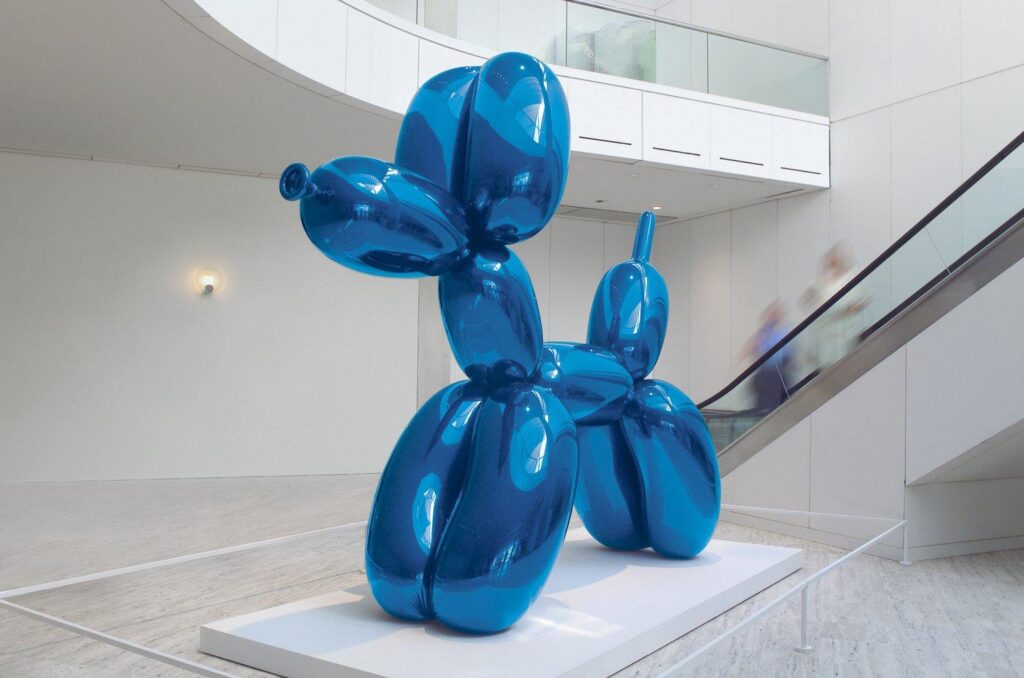
Jeff Koons, Balloon Dog, 1994-2000
© Jeff Koons
Tulips
Tulips is another standout work from Jeff Koons’s Celebration series, embodying his signature ability to transform familiar, everyday objects into monumental and mesmerizing sculptures. The piece features a massive bouquet of oversized tulips, crafted from high-chromium stainless steel, and finished with a mirror-polished surface in vibrant hues.
Spanning nearly 7 feet (2.1 meters) in height and over 17 feet (5.2 meters) in length, Tulips is a feast for the senses. Its reflective surface engages both the surrounding space and the viewer, making them an integral part of the artwork. Produced between 1995 and 2004, the work exists in five unique versions, one of which was sold at Christie’s in New York in 2012 for $33 million to Steve Wynn, the owner of the Wynn Hotel in Las Vegas. The other versions are held in prominent collections around the world, including the Guggenheim Museum Bilbao, The Broad in Los Angeles, Fondazione Prada in Milan, and the Viktor Pinchuk Foundation in Kyiv.
Koons described Tulips as a symbol of “hope and the affirmation of life.” The piece evokes themes of beauty, abundance, and joy while exploring the intersection of kitsch and high art. Its reference to Brancusi’s sculptural forms and the tradition of still life adds depth, infusing it with themes of memento mori, romance, and beauty.
Jeff Koons, Tulips, 1995-2004
© Jeff Koons
Puppy
Continuing the theme of flowers but using living plants, Koons created Puppy, a monumental sculpture displayed outside the Guggenheim Museum Bilbao. Completed in 1992, this towering 40-foot (12-meter) West Highland Terrier is adorned with vibrant flowers, replaced twice a year, and meticulously watered to preserve its striking appearance.
Puppy merges sentimental imagery with technological ingenuity, combining art, nature, and innovation into a dynamic visual experience. Its vast size, seemingly wild yet carefully contained, reflects contemporary culture’s balance of excess and control. As a public artwork, Puppy remains accessible to all, evolving with the seasons and offering a fresh perspective on the blending of art and the natural world.
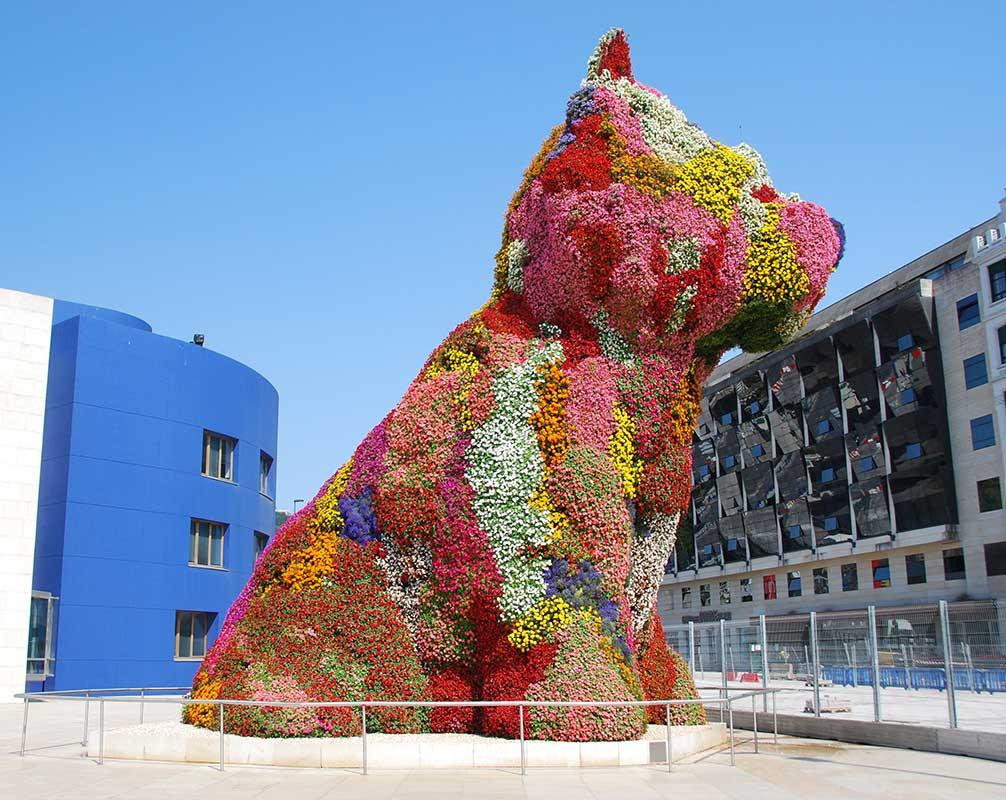
Jeff Koons, Puppy, 1992
© Jeff Koons
Courtesy Guggenheim Bilbao, Spain
Jeff Koons x Louis Vuitton
In 2017, Jeff Koons collaborated with Louis Vuitton to create the Masters collection, a groundbreaking fusion of fine art and fashion. The collection featured Koons’s reinterpretations of masterpieces like Mona Lisa and Venus de Milo, emblazoned on Louis Vuitton’s signature bags.
The collection allowed collectors and fashion enthusiasts to experience art in a new way, blending timeless imagery with Koons’s playful aesthetic. By transforming everyday items into works of high art, the Masters collection cemented Koons’s role as a pioneer in bridging art and consumer culture.
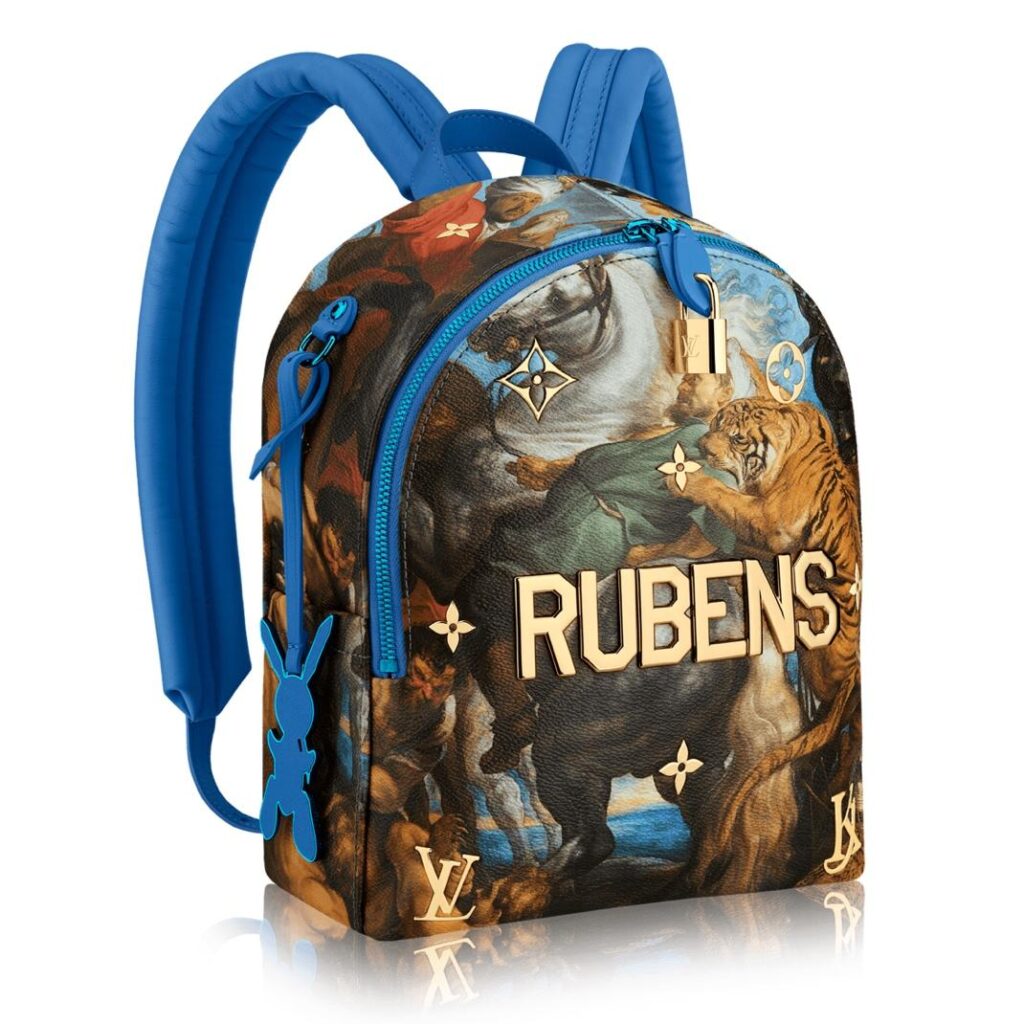
Jeff Koons, Masters Collection Rubens backpack, 2017
© Jeff Koons
Courtesy Louis Vuitton
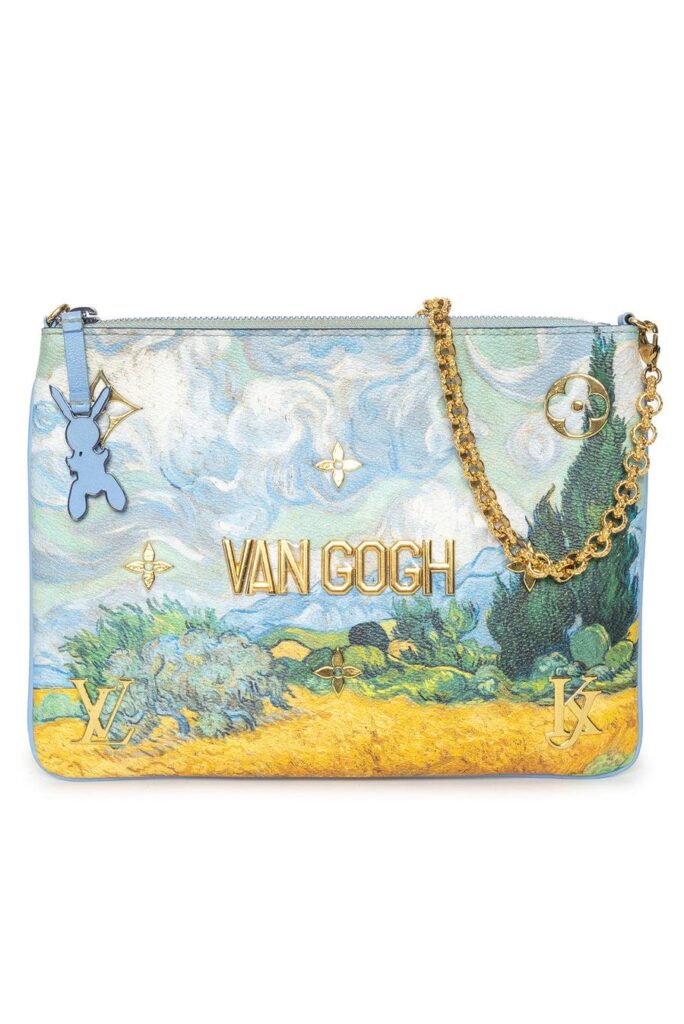
Jeff Koons, Masters Collection Van Gogh clutch, 2017
© Jeff Koons Courtesy
Louis Vuitton
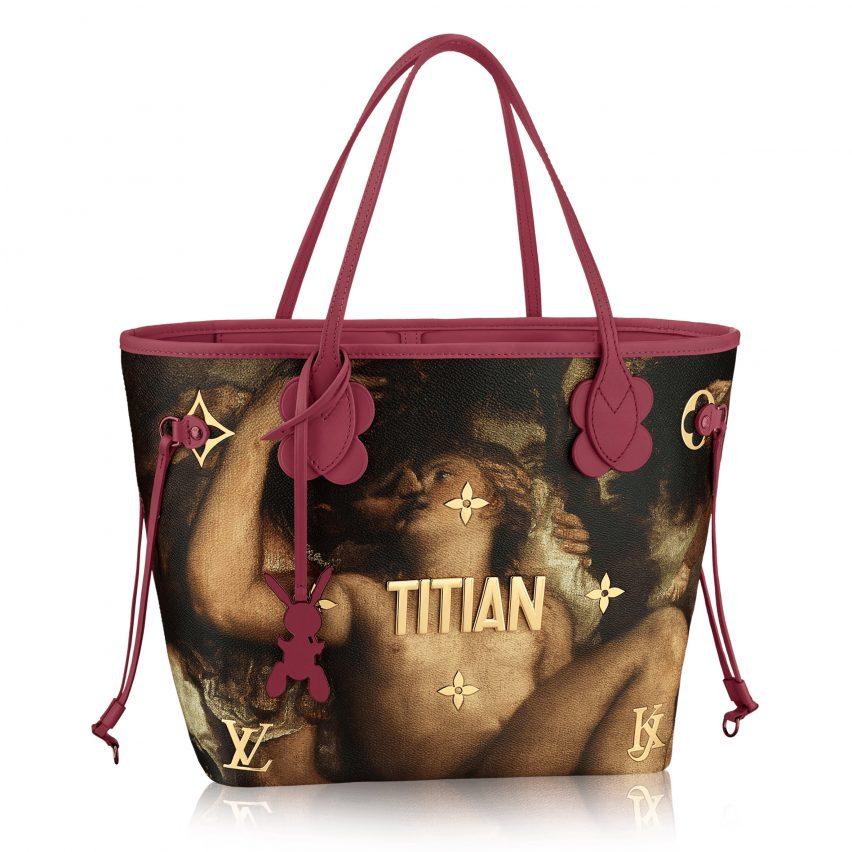
Jeff Koons, Masters Collection Titian tote bag, 2017
© Jeff Koons
Courtesy Louis Vuitton
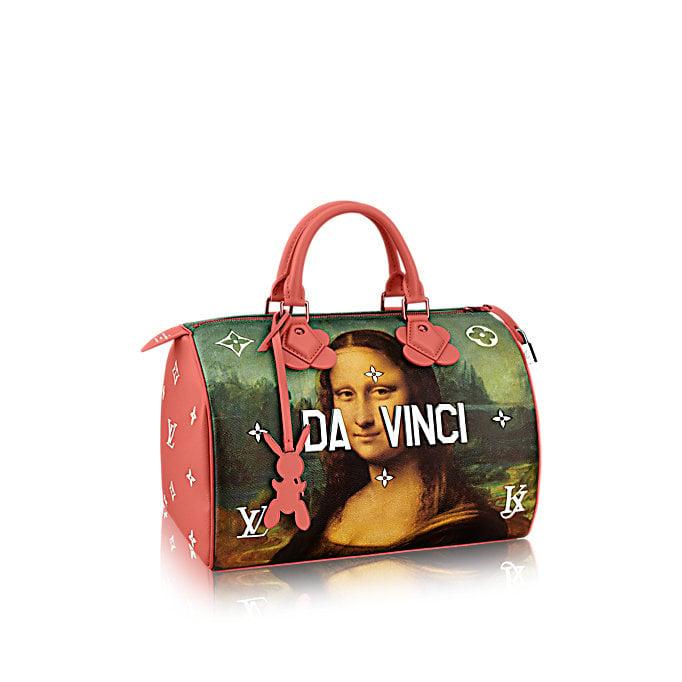
Jeff Koons, Masters Collection Da Vinci handbag, 2017
© Jeff Koons
Courtesy Louis Vuitton
Ultimately, Jeff Koons’s impact on contemporary art extends far beyond traditional galleries. His collaborations with global brands and his monumental works challenge the boundaries of fine art, inviting audiences to reconsider the role of art in everyday life. Through his creations, Koons reimagines what art can be—whether as a towering sculpture, a luxurious handbag, or a reflection of society itself.
While some celebrate his work as pushing the limits of artistic expression, others view it as a mirror of mass consumption, blurring the line between high art and popular culture. What do you think: does Jeff Koons redefine art for a new era, or does he merely reflect the aesthetics of our consumer-driven world?


Nice nice article! I love Jeff Koons